In this collaborative session, KOPI team members came together to teach in person ultrasonography at Selian Lutheran Hospital. Teaching was oriented at probe orientation, machine settings, applications, and in-time interpretation.
Read More
In this collaborative session, KOPI team members came together to teach in person ultrasonography at Selian Lutheran Hospital. Teaching was oriented at probe orientation, machine settings, applications, and in-time interpretation.
Read MorePoint-of-care ultrasonography gives acute care clinicians fast, portable, radiation-free bedside diagnostic and procedural guidance that speeds up time-critical decisions and improves outcomes, especially where advanced imaging is scarce.
Read MoreRapid, well-organized acute care for obstetric emergencies—like hemorrhage, eclampsia, and sepsis—is what prevents manageable complications from becoming maternal deaths, making it a cornerstone of maternal health systems, especially in resource-limited settings.
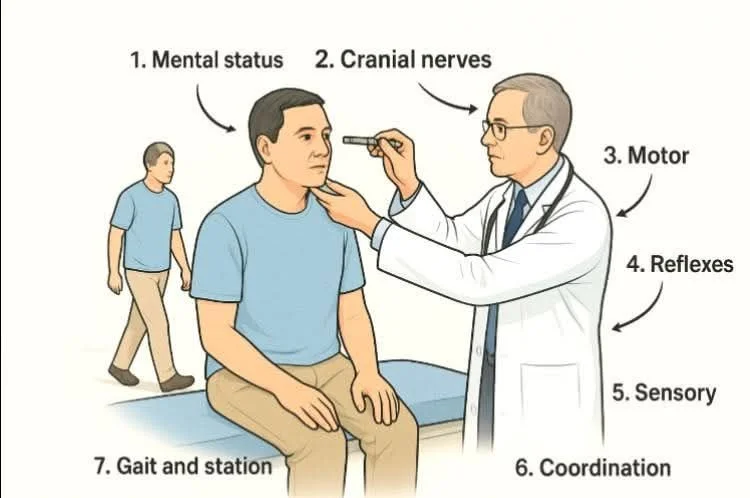
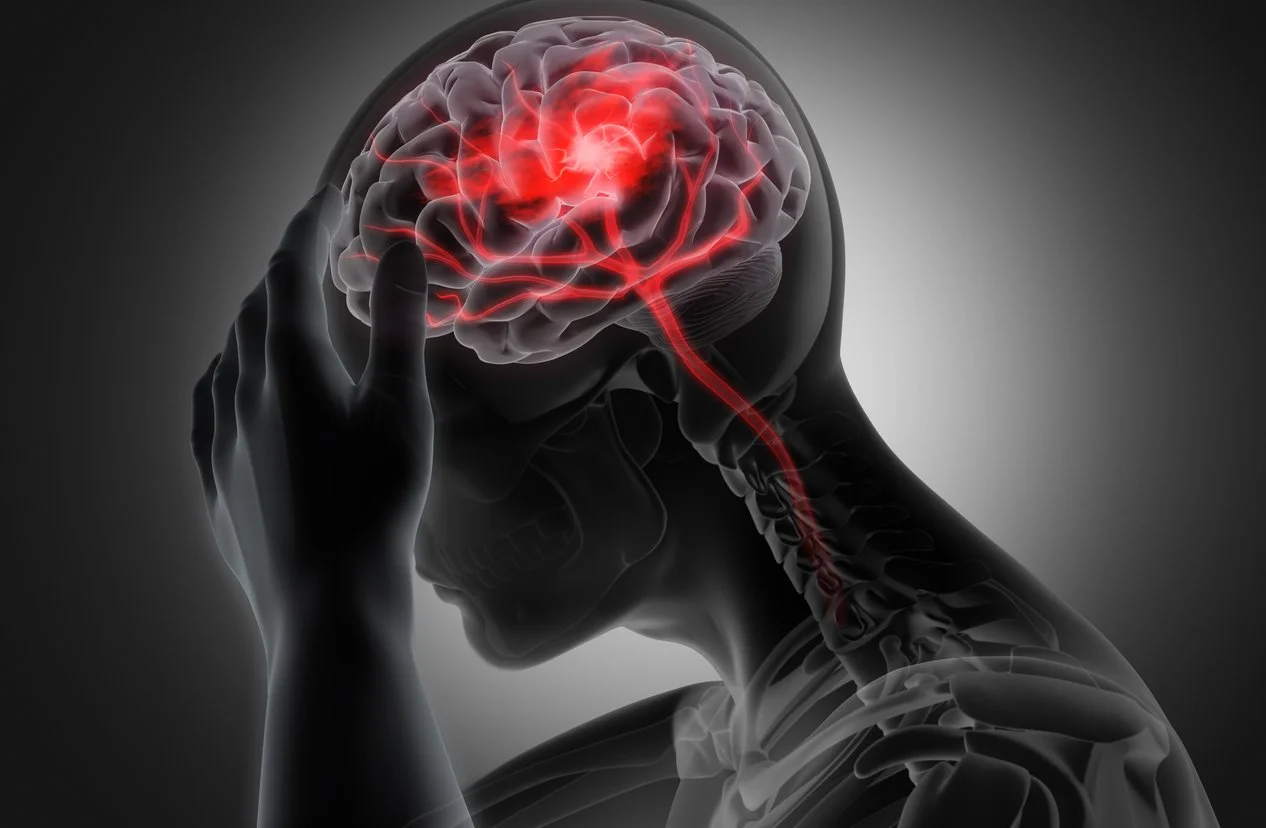
Read MoreThe neurological exam is uniquely valuable in resource-limited settings because it requires minimal equipment while allowing skilled clinicians to precisely localize pathology and guide management of conditions like meningitis, stroke, cerebral malaria, and traumatic brain injury — all without CT, MRI, or electrophysiology. Serial neurological assessments also serve as a critical monitoring tool, enabling early detection of clinical deterioration and timely empiric intervention in environments where advanced diagnostics are scarce or unaffordable.
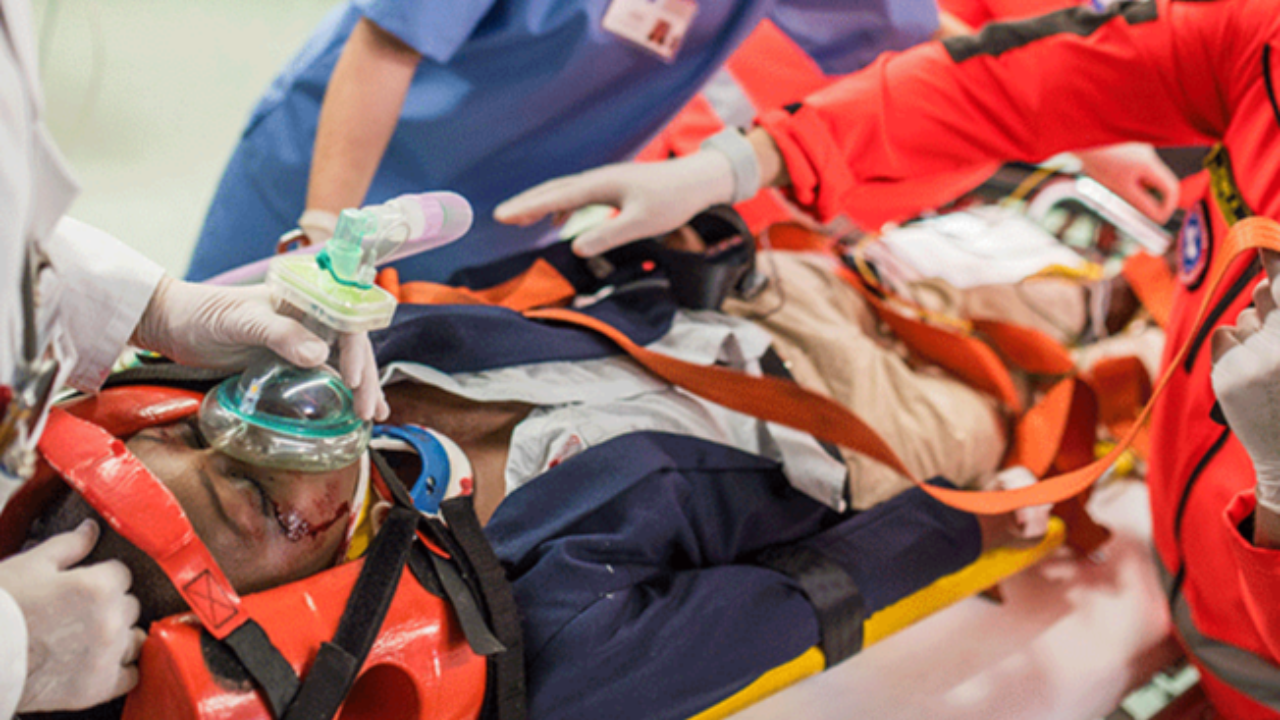
Read MoreTrauma is one of the world’s most common leading cause of reversible death. In this lecture we discuss some of the necessary resources to perform trauma care. Other resources are also discussed with a special focus on communication and team based approach emphasized in other teaching models.
Read MoreSepsis is one of the leading causes in death. This lecture overviews the pathophysiology and how it relates to the newer changes in guidelines. We review fluids, antibiotic choices, as well as other adjunct end organ care supportive care measures for inpatient settings. We also talk about the new 2026 Surviving Sepsis Guidelines.
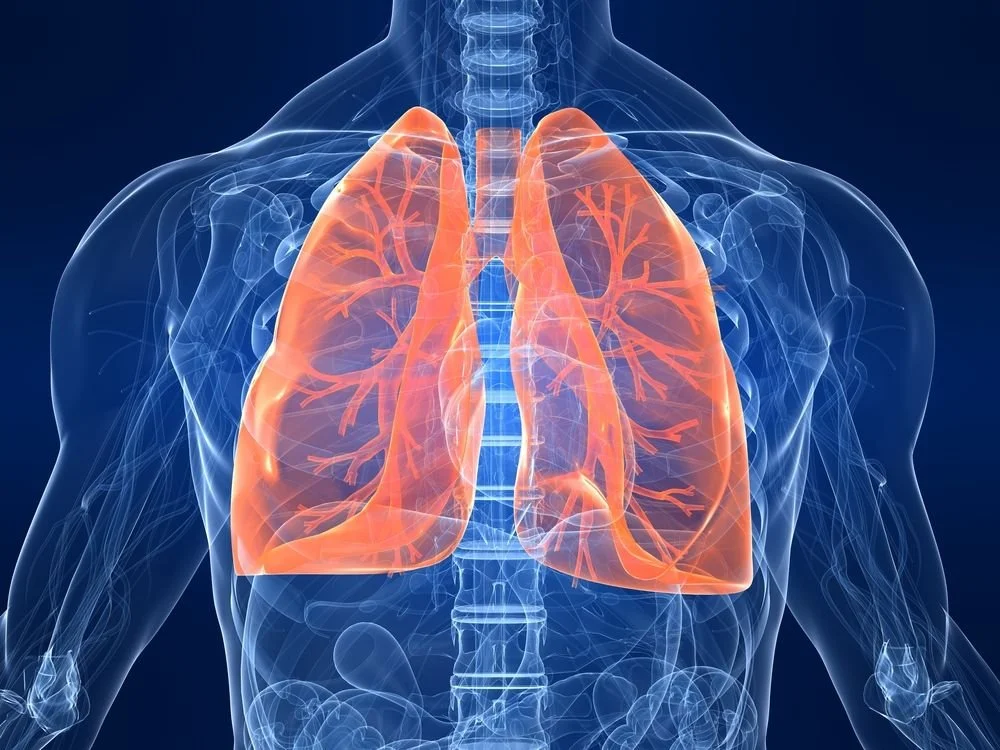
Read MoreRespiratory failure is a high-risk condition signaling potential end organ damage. This February 2026 Acute Care Series lecture reviewed the physiology, diagnostic approach, and practical management of hypoxemic and hypercapnic respiratory failure, including oxygen strategies, noninvasive ventilation, and mechanical ventilation decision-making.
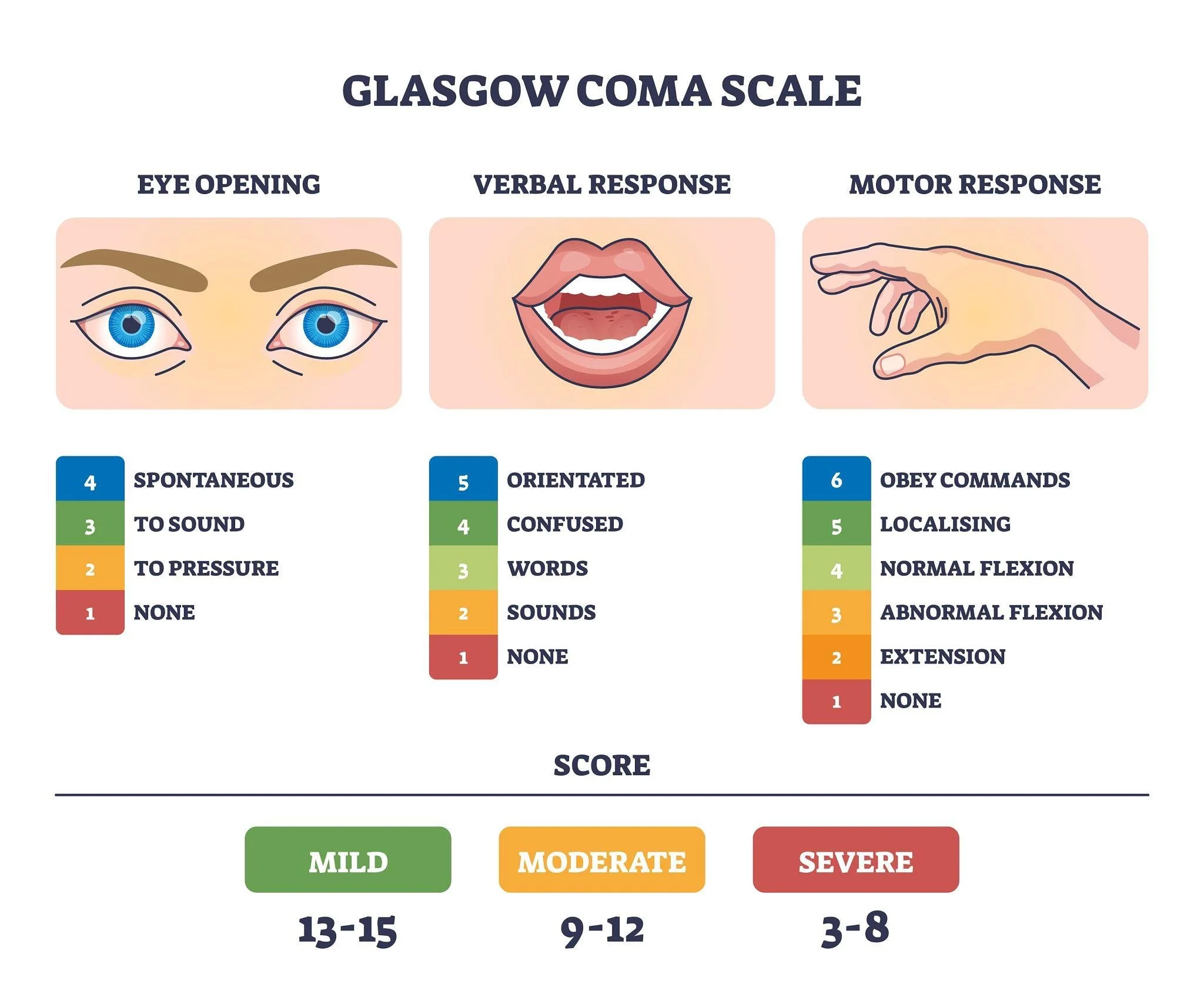
Read MoreAltered mental status is a high-risk presentation that often reflects serious underlying illness and end-organ dysfunction. This January 2026 training reviewed a systematic approach to evaluation, emphasizing early recognition of life-threatening causes, focused diagnostics, and practical management strategies in acute and emergency care settings.
Read MoreAbdominal pain is one of the most diagnostically challenging complaints in acute care, with a wide differential that includes life-threatening conditions. This post presents a systematic approach to history, exam, labs, and imaging, emphasizing when to escalate care and avoid premature diagnostic closure. Essential reading for clinicians managing undifferentiated abdominal pain.
Read MoreEffective pain management in acute care requires balancing timely relief with patient safety and clinical judgment. This post reviews evidence-based strategies for assessing pain, selecting appropriate analgesics, and using multimodal approaches to improve outcomes while minimizing harm. A practical guide for managing pain in high-acuity settings.
Read MoreTraumatic brain injury is a time-sensitive emergency where early recognition and intervention can dramatically affect outcomes. This post outlines a structured approach to TBI assessment, imaging decisions, and early management, with a focus on preventing secondary brain injury. Relevant for both adult and pediatric emergency care.
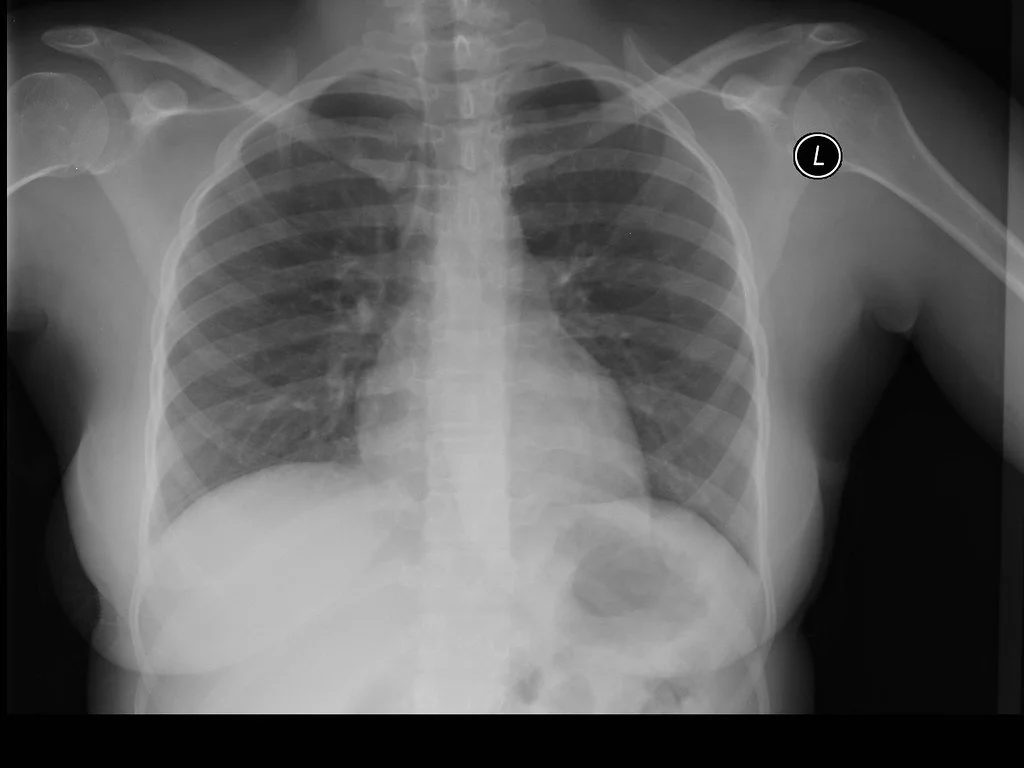
Read MoreChest imaging is a cornerstone of emergency and acute care decision-making, but its value depends on using the right modality at the right time. This post explores a practical approach to chest X-ray, ultrasound, and CT, highlighting indications, limitations, and common diagnostic pitfalls. Designed for clinicians working in fast-paced, high-risk environments.
Read More