
Posts in Acute Care
Pediatric Assessment: Triage and Primary Assessment of Children

The Pediatric Assessment Triangle (PAT) is a rapid, equipment-free tool for forming a general impression of a child’s physiologic status within the first minute, based on three components: appearance, work of breathing, and circulation to skin. Because children often compensate until they abruptly decompensate and vital signs can be unreliable, the PAT helps triage staff quickly identify sick children, prioritize resuscitation, and communicate severity, though it is a general impression that must be followed by a full assessment and repeated as the child’s condition changes.

Read More


Diabetic Emergencies: Discussion of Nuances of Management

Diabetic emergencies like DKA, HHS, and severe hypoglycemia are a growing cause of preventable death in sub-Saharan Africa, where diabetes is rising fast, many cases go undiagnosed, and delayed recognition and limited access to insulin, testing, and trained clinicians drive very high case fatality. Improving outcomes depends on simple, protocolized care (bedside glucose checks, fluids, insulin, potassium management, and prompt dextrose for hypoglycemia) supported by clinician training and reliable supplies, extending down to the primary care and prehospital level.

Read More
Neurological Exam: Implications in a Resource Limited Setting

The neurological exam is uniquely valuable in resource-limited settings because it requires minimal equipment while allowing skilled clinicians to precisely localize pathology and guide management of conditions like meningitis, stroke, cerebral malaria, and traumatic brain injury — all without CT, MRI, or electrophysiology. Serial neurological assessments also serve as a critical monitoring tool, enabling early detection of clinical deterioration and timely empiric intervention in environments where advanced diagnostics are scarce or unaffordable.

Read More
Sepsis: Pathophysiology, Practical Management, and Surviving Sepsis Guidelines

Sepsis is one of the leading causes in death. This lecture overviews the pathophysiology and how it relates to the newer changes in guidelines. We review fluids, antibiotic choices, as well as other adjunct end organ care supportive care measures for inpatient settings. We also talk about the new 2026 Surviving Sepsis Guidelines.

Read More
Respiratory Failure: Recognition, Physiology, and Management in Acute Care

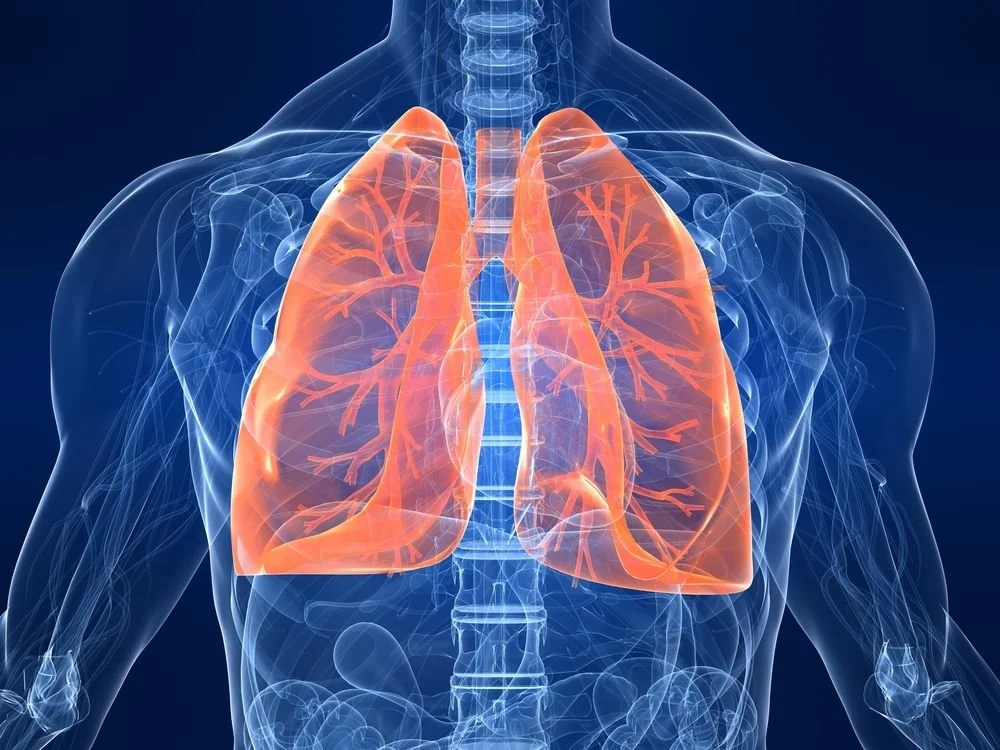
Respiratory failure is a high-risk condition signaling potential end organ damage. This February 2026 Acute Care Series lecture reviewed the physiology, diagnostic approach, and practical management of hypoxemic and hypercapnic respiratory failure, including oxygen strategies, noninvasive ventilation, and mechanical ventilation decision-making.

Read More
Altered Mental Status: A Systematic Approach in Acute and Emergency Care

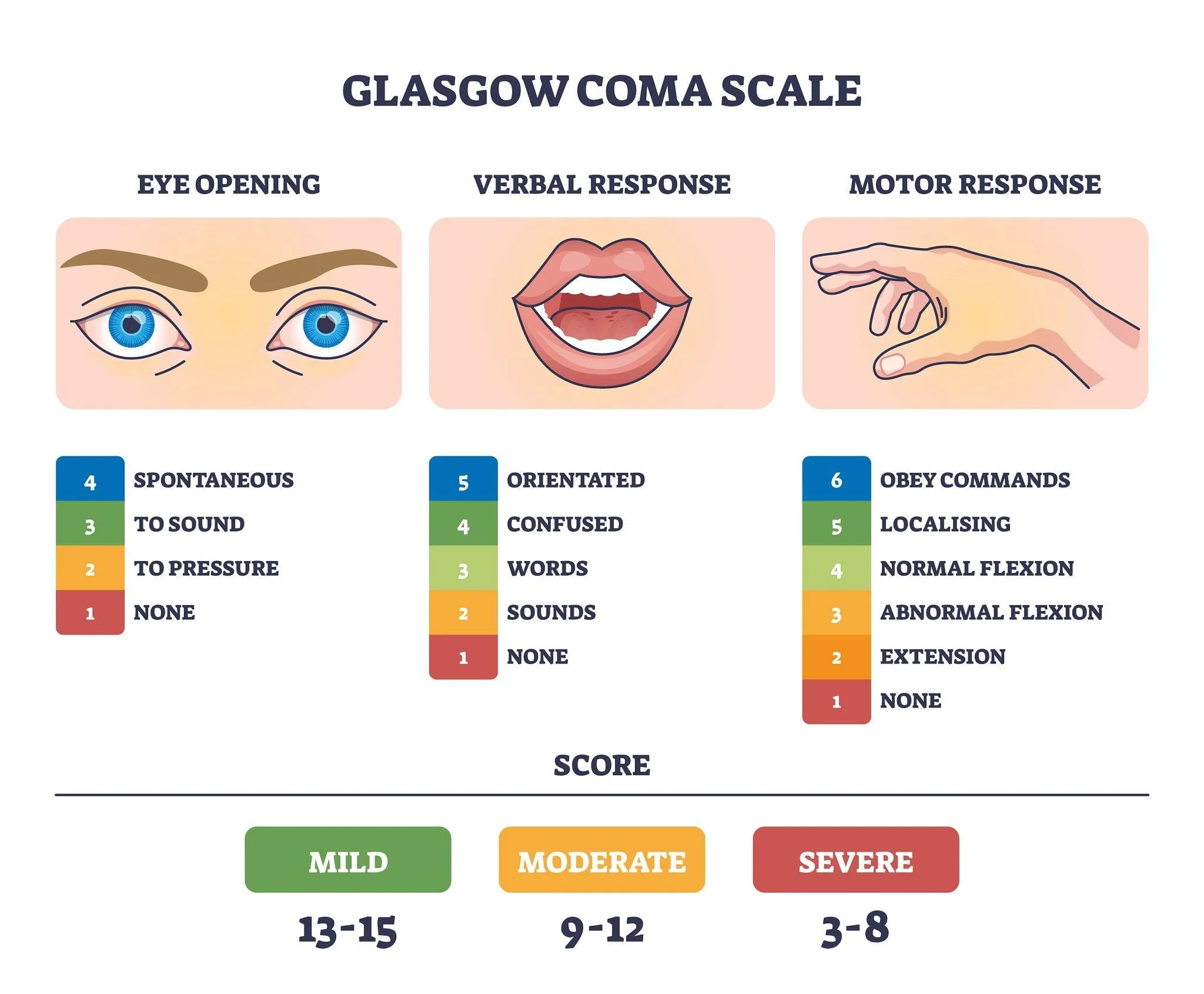
Altered mental status is a high-risk presentation that often reflects serious underlying illness and end-organ dysfunction. This January 2026 training reviewed a systematic approach to evaluation, emphasizing early recognition of life-threatening causes, focused diagnostics, and practical management strategies in acute and emergency care settings.

Read More
Abdominal Pain: A High-Risk Chief Complaint

Abdominal pain in acute care settings is a symptom with an enormous differential, from benign self-limited causes to time-critical emergencies like perforation, mesenteric ischemia, ruptured AAA, ectopic pregnancy, or appendicitis. Identifying the underlying cause matters because these patients can look deceptively well early on, and missed or delayed diagnoses (especially in older adults, women of childbearing age, and immunocompromised patients) carry significant morbidity and mortality, while a targeted workup avoids both under-treatment and unnecessary testing or admission.

Read More
Chest Imaging in Emergency and Acute Care

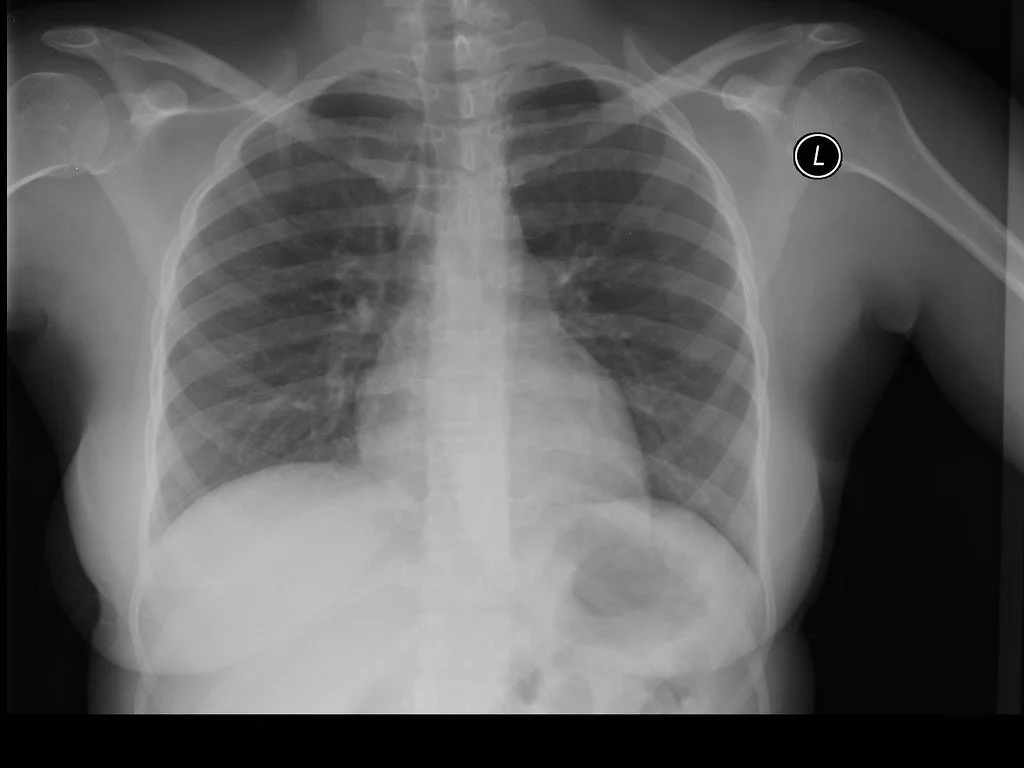
Chest imaging is a cornerstone of emergency and acute care decision-making, but its value depends on using the right modality at the right time. This post explores a practical approach to chest X-ray, ultrasound, and CT, highlighting indications, limitations, and common diagnostic pitfalls. Designed for clinicians working in fast-paced, high-risk environments.

Read More